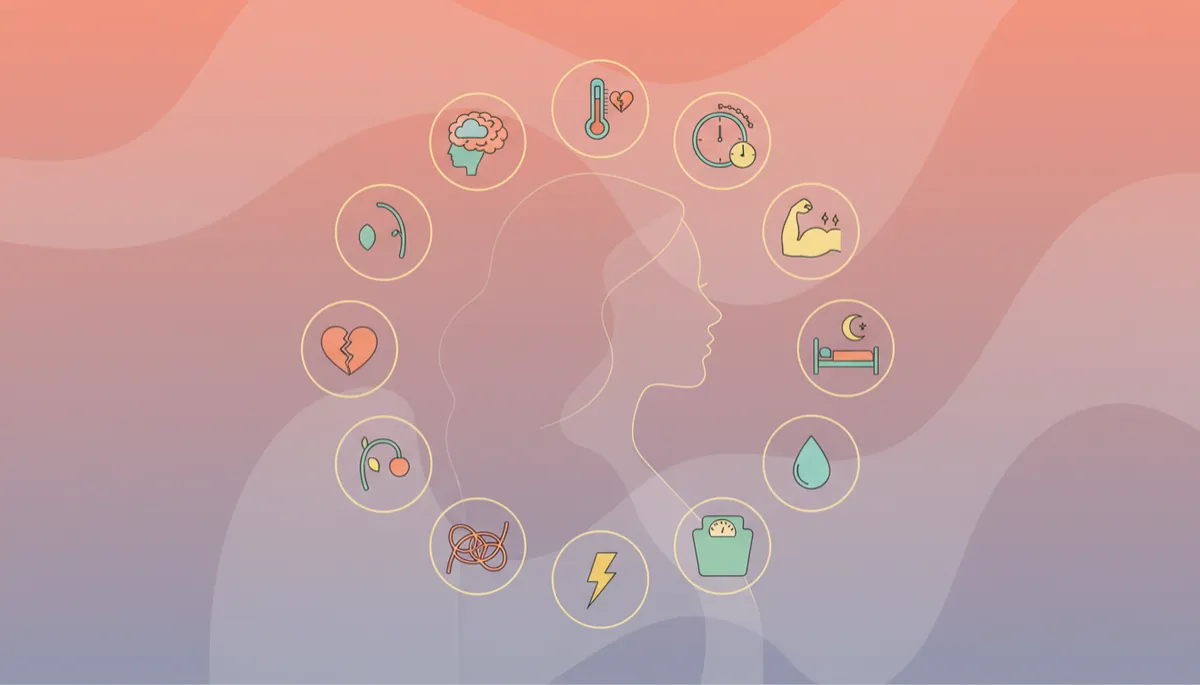
15 Signs of Perimenopause: Beyond Aging
Women’s Health, Perimenopause, Hormones
15 Signs You’re in Perimenopause (Not Just “Getting Older”)
If you’ve been wondering, “Is this just aging…or is something else happening to my body?” you’re not alone. Many women move through perimenopause for years without realizing their symptoms are connected. This gentle checklist is designed to help you validate what you’re feeling and understand when it may be time to look deeper with personalized, holistic support from Dr. Valerie Cachola-Wheeler Functional Nutrition & Chiropractic.
How to Use This Perimenopause Checklist
As you read through these 15 signs, simply notice which ones feel familiar. You don’t need to have all of them to be in perimenopause. Even a handful of “yes” answers can be a clue that your hormones and metabolism are shifting—and that you deserve more than “it’s just your age” as an explanation.
15 Signs You May Be in Perimenopause
Your periods have changed—suddenly. They may be closer together, farther apart, heavier, lighter, or a mix of all four. If your once-predictable cycle now feels like a surprise guest, that’s a classic perimenopause sign, not just “being irregular.”
Hot flashes or sudden “heat waves.” You might feel warmth rising through your chest, neck, or face, sometimes followed by chills. Even mild, brief heat surges that wake you up at night can be early perimenopausal shifts in estrogen and brain temperature regulation.
Night sweats and disrupted sleep. Waking up sweaty, needing to change clothes or sheets, or simply feeling “wired but tired” at 2 a.m. are common. This isn’t poor sleep hygiene—it’s often hormone and blood sugar changes affecting your nervous system.
New or worsening PMS and mood swings. You may feel more irritable, weepy, anxious, or “not like yourself” in the days or even weeks around your period. Many women in perimenopause notice emotional changes before they see cycle changes, and those feelings are real—not “overreacting.”
Unexplained fatigue that doesn’t match your day. You might wake up tired, crash mid-afternoon, or feel drained after tasks that used to be easy. This can reflect shifts in hormones, thyroid, and adrenal patterns—not a lack of willpower or motivation.
Weight gain, especially around your midsection. If your habits haven’t changed much but your waistline has, perimenopausal hormone changes may be driving more fat storage around the abdomen and altering how your body uses carbohydrates and fats for energy.
Brain fog, forgetfulness, or feeling “scattered.” Losing your train of thought, misplacing items, or searching for words more often can be part of perimenopause. Estrogen interacts with brain chemistry and blood flow, so shifts can show up as cognitive changes—not a sign you’re “losing it.”
New anxiety or a sense of inner restlessness. You might feel more on edge, have racing thoughts, or notice a rise in health or situational anxiety. Many women are surprised to learn that changing progesterone and estrogen levels can influence the calming neurotransmitters in the brain.
Changes in libido or sexual response. Desire may feel lower, inconsistent, or different than before. You might still care deeply about intimacy but feel that your body isn’t “showing up” the way it used to. Hormonal and metabolic shifts can influence both desire and physical response, and these changes are valid and addressable.
Vaginal dryness or discomfort. You may notice dryness, irritation, or pain with intercourse, even if your periods are still coming. Early estrogen changes can affect vaginal tissues well before your final menstrual period, and you do not have to just “live with it.”
More frequent headaches or migraines. If headaches now cluster around ovulation or your period—or have intensified in your 40s—fluctuating hormones and blood sugar may be contributing. Tracking timing can reveal a clear perimenopausal pattern that deserves attention.
Joint stiffness, body aches, or new pains. Morning stiffness, achy hips, knees, or back, and a general feeling of being “creaky” can reflect hormonal shifts, inflammation, and changes in connective tissue. This is especially important for women who are also noticing changes in activity tolerance or recovery.
Heart palpitations or a racing heartbeat at rest. Brief flutters, a pounding sensation, or a feeling that your heart is “skipping” can sometimes be linked to perimenopause, especially when cardiac causes have been ruled out. Hormones influence how your nervous system and cardiovascular system communicate.
Increased sensitivity to stress. Situations you once handled with ease may now leave you overwhelmed or depleted. Perimenopause can unmask underlying metabolic and adrenal patterns, making stress feel louder in your body and your mind.
Changes in hair, skin, or nails. Thinning hair, drier skin, adult acne, or brittle nails can all be part of the hormonal transition. These outward signs often mirror deeper shifts in nutrient status, thyroid function, and inflammatory patterns that can be supported holistically.
Connecting symptoms with lab patterns is often the turning point for relief.
Your Symptoms Are Real—And They’re Not “All in Your Head”
If you checked off several of these signs, you may be in perimenopause—even if your labs have been called “normal” and you’re still having periods. At Dr. Valerie Cachola-Wheeler Functional Nutrition & Chiropractic, we recognize that your lived experience matters just as much as your test results. Our holistic, personalized approach looks at hormones, metabolism, inflammation, digestion, and nervous system health together, so we can address root causes rather than chasing individual symptoms.
📌 Key Takeaway: Perimenopause is a transition, not a diagnosis—and you deserve care that listens, explains, and supports you through every stage.
Ready to Go Beyond “It’s Just Your Age”?
If this checklist feels like it was written about you, the next step is to understand what’s happening inside your body—so you can feel more like yourself again. Our Perimenopause Pattern Analysis is designed to identify the metabolic and hormonal patterns driving your symptoms and create a personalized plan using functional nutrition, chiropractic care, and targeted lifestyle support.
You don’t have to push through exhaustion, mood swings, and unexplained changes alone. Request an appointment or begin your Perimenopause Pattern Analysis today, and take the first compassionate, informed step toward restoring balance, energy, and confidence in your body during this important season of life.
