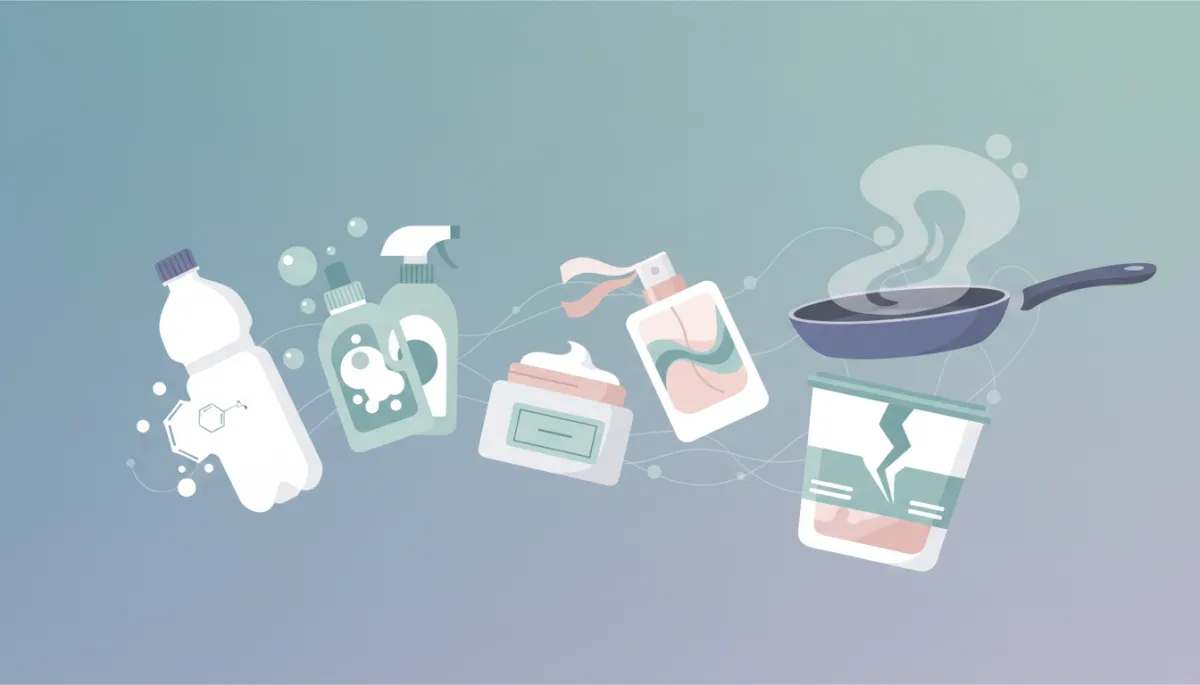
5 Products Disrupting Hormones in Perimenopause
Hormone Health, Perimenopause, Everyday Toxins
5 Everyday Products Quietly Disrupting Your Hormones
If you feel more tired, puffy, moody, or “unlike yourself” in perimenopause or menopause, it’s not all in your head. Alongside shifting estrogen and progesterone, hidden chemicals in everyday products can quietly nudge your hormones further off balance. The good news: small, practical changes can lower your exposure and support your body’s natural ability to heal.
Why Everyday Exposures Matter More in Midlife
During perimenopause and menopause, your hormones are already in transition. Your liver, gut, and detox pathways are working hard to process shifting hormones, stress, and daily exposures. When you layer on chemicals that act like weak estrogens or interfere with thyroid and adrenal function, symptoms such as hot flashes, weight gain around the middle, brain fog, and sleep problems can intensify.
At Dr. Valerie Cachola-Wheeler Functional Nutrition & Chiropractic, we see how reducing these “silent stressors” can make a noticeable difference—sometimes even before supplements or medications are adjusted. Let’s walk through five common products that may be quietly disrupting your hormones, and what you can do instead.
1. Scented Candles, Air Fresheners & Fragranced Sprays
That “fresh linen” or “warm vanilla” scent often comes from a cocktail of synthetic fragrances and solvents. Many contain phthalates, chemicals used to make scent last longer. Phthalates are known endocrine disruptors linked with altered estrogen levels, thyroid changes, and worsened PMS- or menopause-like symptoms in some women.
Look for labels that say “fragrance-free” or use pure essential oils only.
Open windows, use fans, and simmer citrus peels or herbs on the stove for natural freshness.
💡 Gentle Shift: Start by swapping the products you use most often in the rooms where you spend the most time, like the bedroom and living room.
2. Plastic Food Containers & Water Bottles
Plastics are convenient, but many can leach hormone-disrupting chemicals—especially when heated, scratched, or exposed to acidic foods. Compounds such as BPA and certain BPA substitutes can mimic estrogen in the body, potentially worsening breast tenderness, heavy periods in perimenopause, and stubborn weight changes.
Avoid microwaving or dishwashing plastic containers; heat increases leaching.
Gradually switch to glass, stainless steel, or silicone for storage and drinking.
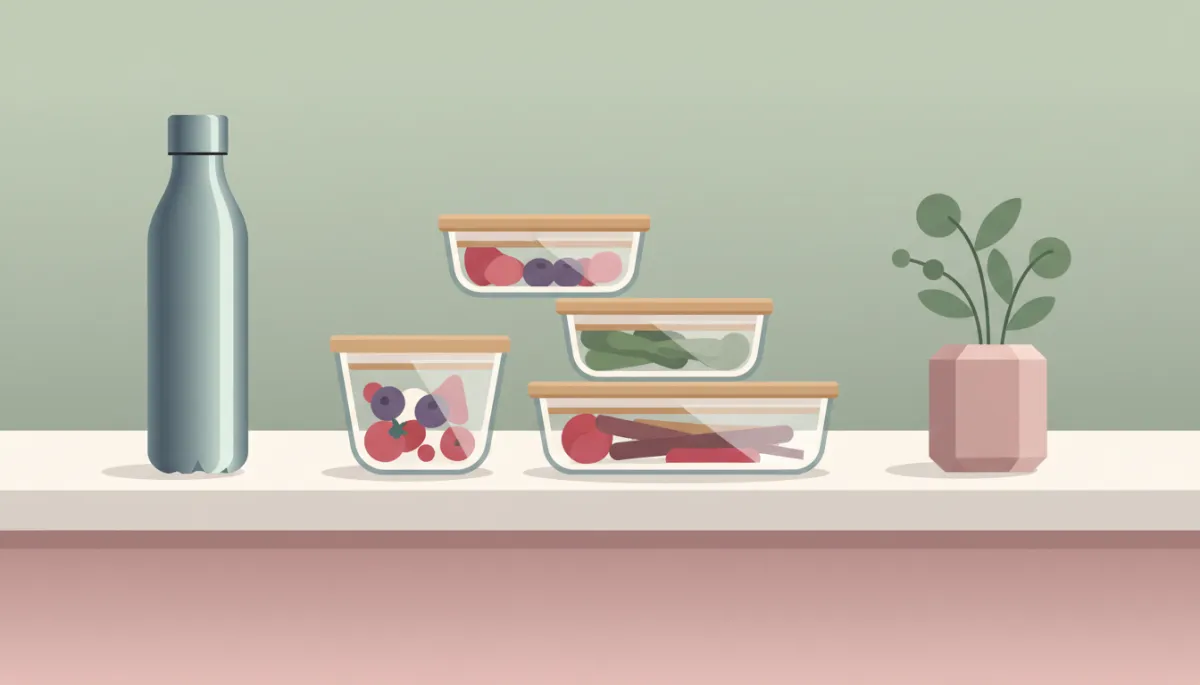
Simple swaps like glass storage and steel bottles can lower daily hormone disruptors.
3. Conventional Skincare, Makeup & Anti-Aging Products
Your skin is one of your largest organs, and what you put on it is often absorbed into your body. Many conventional beauty products contain parabens, synthetic fragrances, and other compounds that can mimic estrogen or interfere with hormone signaling. When your body is already navigating fluctuating estrogen, these extra signals may contribute to breast tenderness, fluid retention, and mood swings.
Check labels and try to avoid parabens (often listed as methyl-, propyl-, or butylparaben) and “fragrance” as a generic ingredient.
Transition to cleaner brands that publish full ingredient lists and prioritize non-toxic, minimal formulas.
💡 Gentle Shift: Replace the products that cover the most skin—like body lotion, sunscreen, and foundation—before swapping smaller items like lipstick.
4. Non-Stick Cookware & Stain-Resistant Fabrics
That easy-to-clean pan or stain-resistant sofa may rely on chemicals from the PFAS family—sometimes called “forever chemicals” because they break down very slowly in the environment and in our bodies. PFAS have been associated with thyroid disruption, altered cholesterol levels, and immune changes, all of which can compound midlife metabolic and hormonal challenges.
When it’s time to replace cookware, consider stainless steel, cast iron, or ceramic instead of traditional non-stick coatings.
Skip stain-resistant sprays on furniture, carpets, and clothing whenever possible.
5. Laundry Detergents, Fabric Softeners & Dryer Sheets
If your clothes smell “clean” for days, that scent may come from synthetic fragrances and softening agents that cling to fabric and sit on your skin all day and night. These mixtures can contain hormone-disrupting chemicals, as well as irritants that aggravate sensitive skin—something many women notice more during perimenopause and menopause.
Choose fragrance-free, dye-free detergents and skip fabric softener when you can.
Use wool dryer balls with a few drops of pure essential oil (if tolerated) instead of dryer sheets.
Small Shifts, Real Relief: Where to Start
You don’t need to throw everything out at once. A compassionate, realistic approach works best—especially when you’re already juggling fatigue, mood changes, and busy life demands. Start with one category that feels easiest, or the product you use most frequently, and make a single upgrade. Over weeks and months, these steps add up to a lighter toxic load and a calmer hormonal environment.
📌 Key Takeaway: Your body is designed to heal and rebalance. Removing daily hormone disruptors gives your liver, gut, thyroid, and adrenals the breathing room they need to support smoother perimenopause and menopause.
Want Personalized Guidance for Your Hormones?
Every woman’s body responds differently. Some are highly sensitive to fragrances or plastics; others are more affected by cookware or water quality. At Dr. Valerie Cachola-Wheeler Functional Nutrition & Chiropractic, we use a holistic, root-cause approach—combining advanced testing, functional nutrition, and chiropractic care—to uncover your unique metabolic and hormonal patterns and create a plan that feels doable, not overwhelming.
If you’re ready to understand what’s really driving your fatigue, weight changes, and mood swings, you don’t have to figure it out alone. Book a free Clarity Call to get personalized insights and a clear, compassionate roadmap back to balance and vitality.
